
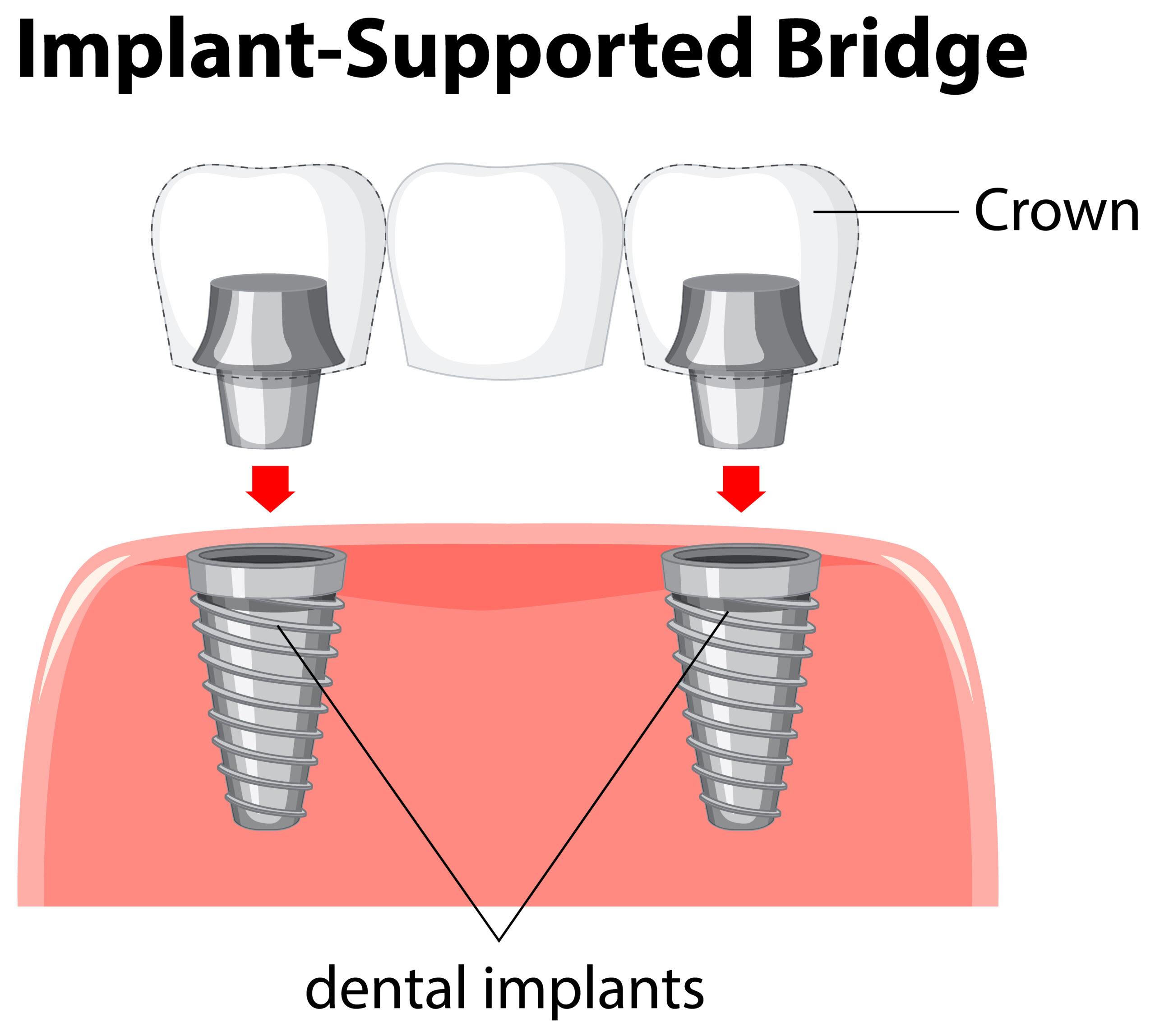
What Is an Implant-Supported Bridge?
An implant-supported bridge is a dental device used to replace several missing teeth. Unlike regular bridges, this option uses dental implants for support. These implants are small metal posts placed in the jawbone. They act like roots for the new teeth. Because of this, an implant-supported bridge is strong and stable. Many people choose this solution for missing teeth. In fact, it is a popular choice for those seeking a long-lasting fix. If you are searching for an implant-supported bridge in your area, this guide will help you understand the process.
Common Symptoms or Dental Issues Leading to Its Need
Several signs may show you need an implant-supported dental bridge. For example, you may notice:
Sometimes, missing teeth can also affect your smile. Over time, this may lower your confidence. Therefore, replacing missing teeth is important for both health and appearance.
Causes and Risk Factors for Tooth Loss
Tooth loss can happen for many reasons. Some common causes include:
Additionally, certain habits raise your risk. For instance, smoking, poor oral hygiene, and uncontrolled diabetes can all lead to tooth loss. According to the CDC, gum disease is a leading cause of adult tooth loss. Because of this, regular dental checkups are very important.
Diagnosis and Evaluation Process
First, your dentist will check your mouth and teeth. They may ask about your health history. Next, X-rays or 3D scans help show the jawbone and missing teeth. These images let the dentist plan the implant bridge procedure. Sometimes, your dentist may also take impressions of your mouth. This helps create a bridge that fits well. If you have enough healthy bone, you may be a good candidate for dental implants for missing teeth. Otherwise, bone grafting may be needed first.
Step-by-Step Procedure for Getting an Implant-Supported Bridge
Getting an implant-supported bridge involves several steps. Here is a simple overview:
Each step is important for a safe and lasting result. Your dentist will guide you through the entire implant bridge procedure.
Benefits and Potential Risks
There are many benefits to choosing an implant-supported dental bridge:
However, there are also some risks. For example, you may have swelling, pain, or infection after surgery. Rarely, the implant may not bond with the bone. But with good care and a skilled dentist, most people have great results.
Aftercare Tips and Lifestyle Guidance
Proper aftercare is key for a healthy implant-supported bridge. Here are some tips:
Additionally, avoid smoking and limit sugary snacks. These steps help your implants last longer. If you notice pain or swelling, contact your dentist right away.
Prevention of Further Dental Issues
After getting an implant-supported bridge, you should protect your oral health. For example, eat a balanced diet rich in vitamins and minerals. Drink plenty of water to wash away food particles. Moreover, always follow your dentist’s advice for cleaning and care. Regular dental visits help catch problems early. By taking these steps, you can prevent future tooth loss and keep your smile bright.
Conclusion
In summary, an implant-supported bridge is a strong and lasting way to replace missing teeth. It can restore your smile and improve your quality of life. If you think this treatment may help you, consult a qualified dentist to find out if an implant-supported bridge is right for you.