What Are Impacted Teeth?
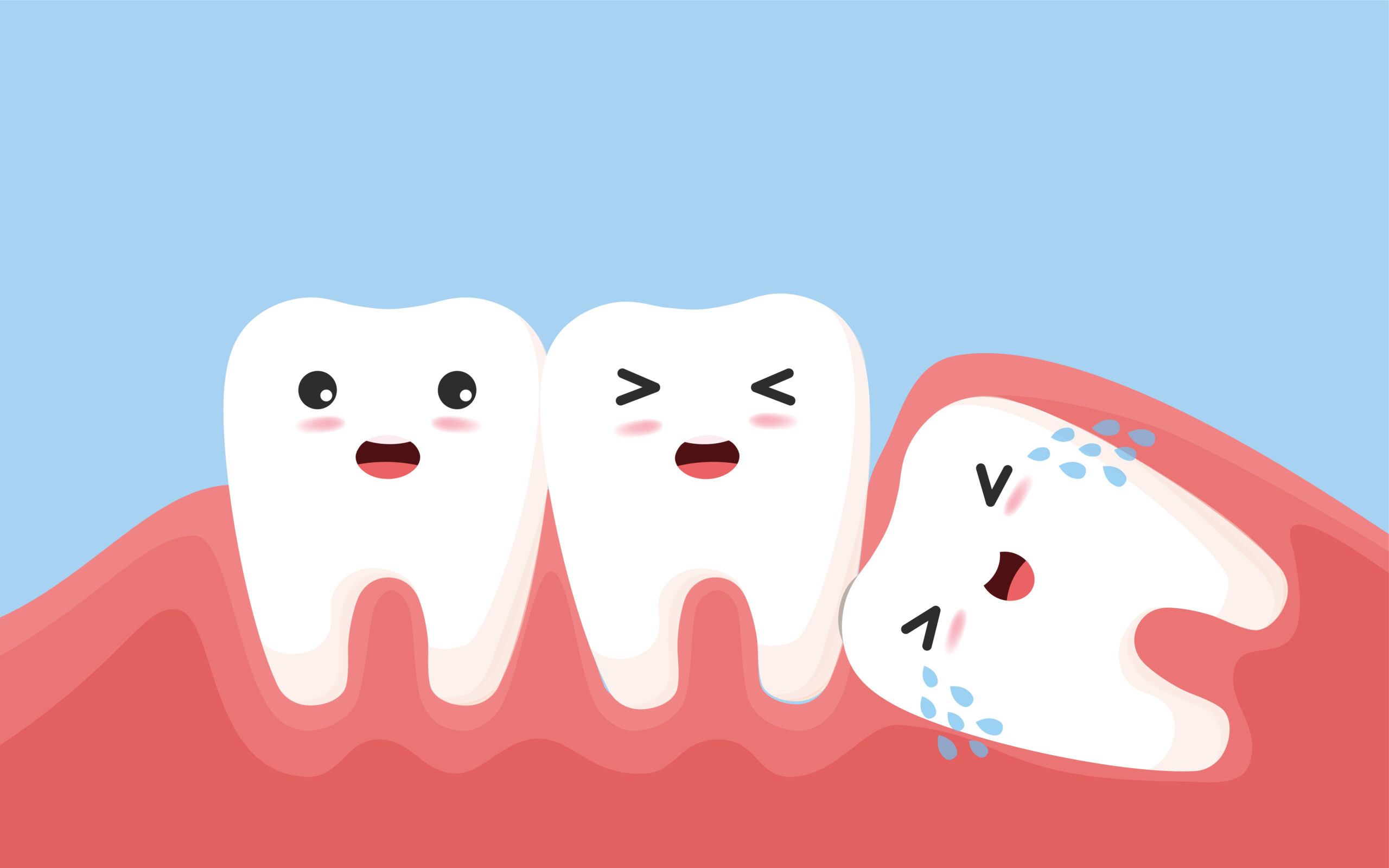
Impacted teeth are teeth that do not fully come out through the gums. Often, this happens with wisdom teeth, but it can affect other teeth too. Because impacted teeth stay trapped in the gum or jawbone, they may cause problems. For many people, the surgical removal of impacted teeth becomes necessary to prevent pain or infection. Dentists and oral surgeons often see this issue in teens and young adults.
Symptoms and Causes of Impacted Teeth
Impacted teeth may not always cause symptoms. However, some people notice problems. For example, you might feel pain or swelling in your gums. Sometimes, you may have trouble opening your mouth. Other signs can include:
Several reasons can cause teeth to become impacted. Most often, there is not enough space in the mouth. Sometimes, teeth grow at the wrong angle. Infections, cysts, or extra teeth can also block normal growth. According to the experts, wisdom teeth are the most likely to become impacted.
When Is Surgical Removal Needed?
Not all impacted teeth need surgery. Yet, many dentists suggest surgical removal of impacted teeth if you have pain, infection, or damage to nearby teeth. In some cases, impacted teeth can cause cysts or crowd other teeth. If you have repeated gum infections or trouble chewing, your dentist may recommend removal. Early treatment can prevent bigger problems later.
The Surgical Removal Procedure: Step-by-Step
Understanding the process can help you feel more at ease. Here is what usually happens during impacted wisdom tooth extraction or other impacted teeth removal:
Most procedures take less than an hour. However, recovery can take a few days.
Recovery and Aftercare Tips
Proper care after oral surgery helps you heal faster. For a smooth recovery, follow these oral surgery recovery tips:
If you notice heavy bleeding, fever, or severe pain, contact your dentist right away. Most people feel better within a week.
Risks and Complications
While surgical removal of impacted teeth is common, there are some risks. For example, you may have swelling, pain, or bleeding. Sometimes, infection can occur. Rarely, there may be nerve injury or jaw stiffness. However, most problems are mild and go away with proper care. According to the CDC, following your dentist’s advice lowers your risk of complications.
Prevention and Oral Health Guidance
Although you cannot always prevent impacted teeth, good oral care helps. Here are some tips to keep your mouth healthy:
Early dental visits can help spot problems before they get worse. In many cases, early action means easier treatment.
Consult a dental specialist for personalized advice on impacted teeth and surgical options.