
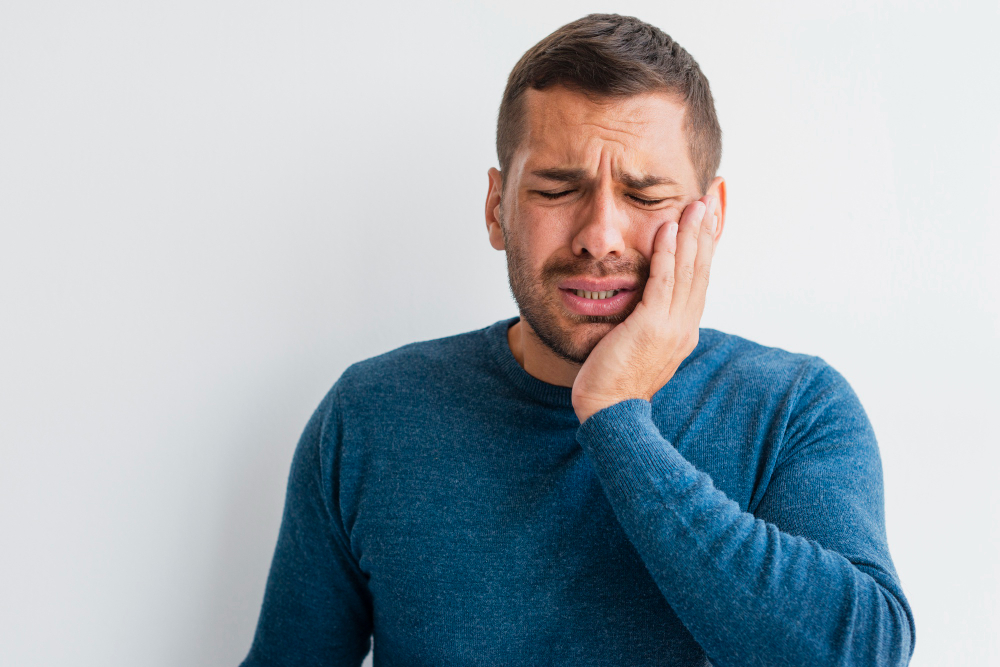
What is TMJ Pain?
TMJ pain affects the temporomandibular joint, which connects your jaw to your skull. This joint lets you talk, chew, and yawn. When it hurts, you may feel discomfort in your jaw, face, or neck. TMJ pain is sometimes called jaw pain or temporomandibular joint disorder (TMD). Many people experience jaw clicking or popping as well. According to the CDC, TMJ pain is common and can affect people of all ages. However, it is more frequent in adults.
Common Symptoms of TMJ Pain
TMJ pain can show up in different ways. For example, you might notice pain or tightness in your jaw. Some people also hear clicking or popping sounds. Others may have trouble opening or closing their mouths. In addition, headaches and ear pain can occur. Below are common symptoms:
Causes and Risk Factors
There are several reasons why TMJ pain may develop. Often, the exact cause is not clear. But, some factors can increase your risk. For instance, jaw injury or arthritis can lead to TMJ pain. Stress, which causes jaw clenching, is another common factor. Teeth grinding, also called bruxism, can also play a role. Here are some main causes and risk factors:
Additionally, women are more likely to experience TMJ pain than men, according to dental research.
How TMJ Pain is Diagnosed
Doctors and dentists use several steps to diagnose TMJ pain. First, they ask about your symptoms and medical history. Next, they examine your jaw and listen for clicking or popping. Sometimes, they check how wide you can open your mouth. In some cases, X-rays or MRI scans help rule out other problems. However, most diagnoses rely on a simple exam and your reported symptoms. Early diagnosis can help prevent long-term problems.
Treatment Options for TMJ Pain
There are many ways to treat TMJ pain. Your dentist or doctor will suggest the best plan for you. Often, treatment starts with simple steps. But, some people may need medical or dental care. Here are common treatment options:
Most people feel better with simple treatments. However, it is important to follow your doctor’s advice.
Lifestyle Tips for Managing TMJ Pain
There are many ways you can manage TMJ pain at home. For example, you can use ice packs to reduce swelling. Also, try to avoid hard or chewy foods. In addition, practice stress-relief techniques like deep breathing. Here are some helpful tips:
With these steps, many people find relief from jaw pain and discomfort.
Prevention Strategies
While not all TMJ pain can be prevented, you can lower your risk. For instance, avoid chewing gum or biting your nails. Also, try to manage stress, as it can lead to jaw clenching. Here are some simple prevention tips:
By following these tips, you can help protect your jaw joint and reduce the chance of TMJ pain.
When to See a Dental Specialist
If you have ongoing jaw pain, clicking, or trouble opening your mouth, it is time to seek help. Early treatment can prevent more serious problems. Therefore, consult a dental specialist for a full exam and personalized advice. Your dentist can help you find the best way to manage TMJ pain and improve your quality of life.